As legal cannabis markets continue to grow, consumers have more product options than ever before. Among the most common methods are smoking cannabis flower and using THC vape pens. Each method has unique characteristics, and understanding the differences can help adults make informed decisions in jurisdictions where cannabis is legal.
Rather than viewing one option as universally “better,” it’s important to consider factors such as health risks, product quality, convenience, and local regulations.
What Is a THC Vape Pen?
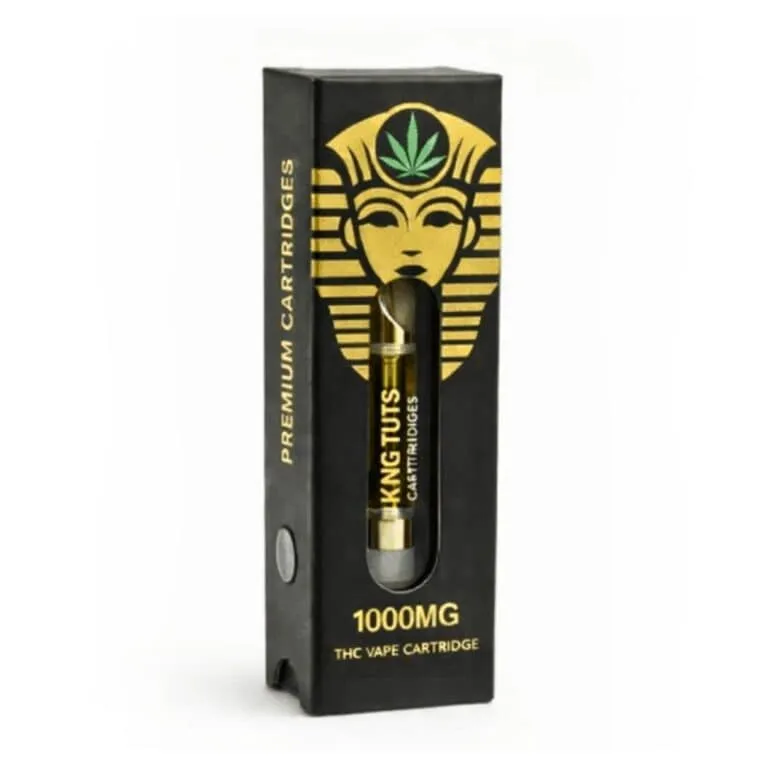
A THC vape pen is a portable battery-powered device designed to heat a cannabis oil or extract into an aerosol for inhalation. Unlike smoking, vaping heats the product without directly burning plant material.
Many vape pens are available as either:
-
Disposable units
-
Rechargeable devices with replaceable cartridges
Products vary in cannabinoid content, ingredients, and formulation, so consumers should always review product labels carefully.
Smoking vs. Vaping: Key Differences
|
Feature |
Smoking Cannabis |
THC Vape Pens |
|
Method |
Burns dried cannabis flower |
Heats cannabis oil or extract |
|
Combustion |
Yes |
No combustion under normal operation |
|
Product Format |
Flower |
Cannabis oil cartridges or pods |
|
Odor |
Typically stronger |
Often less persistent, depending on the product |
|
Device Required |
Rolling papers, pipe, or similar |
Battery-powered vape pen |
Potential Considerations
Research suggests that avoiding combustion may reduce exposure to some combustion-related toxic compounds compared with smoking. However, this does not mean vaping is risk-free. Cannabis vaping can still expose users to substances that may affect health, and the long-term health effects continue to be studied.
Factors to consider include:
-
Product quality
-
Cannabinoid concentration
-
Ingredients and additives
-
Device reliability
-
Individual health conditions
Choosing Quality Products
Where cannabis is legal, consumers should purchase only from licensed retailers that provide:
-
Laboratory-tested products
-
Clear cannabinoid labeling
-
Ingredient transparency
-
Child-resistant packaging
-
Compliance with local regulations
Avoid products from unverified sources, as they may not meet safety standards.
Responsible Use and Safety
Cannabis products can impair judgment, coordination, and reaction time. Consumers should:
-
Follow local laws and age restrictions.
-
Avoid driving or operating machinery after use.
-
Store products securely away from children and pets.
-
Consult a healthcare professional if they have questions about cannabis and existing medical conditions.
Frequently Asked Questions
Are THC vape pens safer than smoking?
Vaping avoids combustion, which may reduce exposure to some harmful byproducts of smoke. However, vaping is not without risks, and more research is needed to fully understand its long-term health effects.
What is the difference between a vape pen and a dab pen?
A vape pen typically uses cannabis oil cartridges, while a dab pen is generally designed for cannabis concentrates such as wax or other extracts. They are different types of devices and are not always interchangeable.
Are all THC vape products the same?
No. Products differ in cannabinoid content, ingredients, terpene profiles, and quality. Always review product information before purchasing.
How can consumers identify quality cannabis vape products?
In regulated markets, choose products from licensed retailers that provide laboratory testing, accurate labeling, and ingredient transparency.
Conclusion
Both smoking and vaping are common methods of cannabis consumption in legal markets, but each has different characteristics and potential risks. Understanding how these products differ, purchasing only from licensed sources, and staying informed about current health evidence can help consumers make educated decisions.