
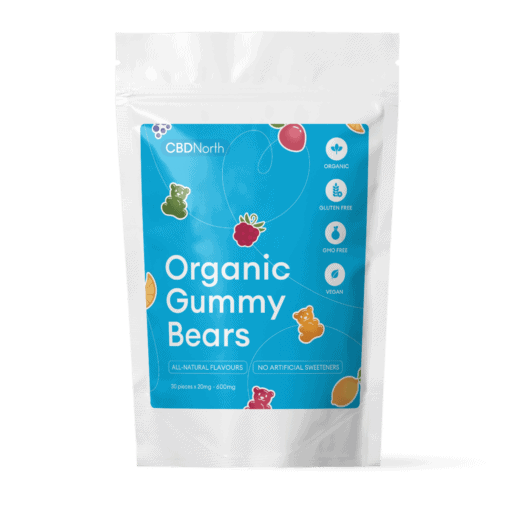
Proper storage determines how long CBD gummies maintain their potency, texture, and flavour after opening. Air, light, heat, and moisture exposure accelerate degradation processes that reduce quality over time. Most opened packages remain viable for several months when stored correctly, but environmental factors create variations in actual shelf life. Package design, ingredient composition, and storage conditions determine optimal consumption timeframes. Each CBD gummy requires specific handling to preserve its intended benefits and taste.
Package integrity factors
Original packaging provides the first line of defence against freshness loss once opened. Resealable containers with airtight seals prevent moisture infiltration and oxidation, degrading potency and texture. Child-resistant caps and vacuum-sealed pouches offer superior protection compared to simple plastic wrapping or loose containers that allow air exchange. High-quality packaging materials resist temperature fluctuations and light penetration that accelerate decomposition. Opaque containers shield contents from UV radiation while maintaining internal humidity levels that prevent texture changes. Package design directly impacts how long gummies retain their original characteristics after opening.
Environmental storage conditions
Temperature control represents the most critical factor in maintaining gummy freshness after opening. Room temperature storage between 60-70°F creates optimal conditions for preserving texture and potency without refrigeration complications. Extreme heat causes melting and ingredient separation, while excessive cold creates hardening that alters the consumption experience. Humidity below 60% prevents mould growth and texture deterioration in moist environments. UV rays from direct sunlight break down active compounds and cause colour fading. Dark storage areas maintain product integrity longer than brightly lit locations that accelerate degradation processes.
Degradation timeline markers
Opening packages initiates countdown periods where quality gradually declines from peak freshness levels. Initial degradation occurs slowly during the first 30-60 days when proper storage conditions are maintained consistently.
- Texture changes become noticeable after 2-3 months with increased firmness or stickiness
- Flavour intensity diminishes progressively starting around 60-90 days post-opening
- Potency reduction typically begins after 3-4 months, depending on storage quality
- Colour alterations may appear within 6 months, indicating compound breakdown
- Moisture absorption creates texture problems in humid environments within weeks
- Mould development can occur rapidly in contaminated or overly moist storage conditions
These timeline markers help identify when replacement becomes necessary to maintain desired quality standards. Visual inspection reveals most degradation signs before consumption safety concerns arise.
Quality assessment techniques
Regular inspection helps determine whether opened gummies remain suitable for consumption. Visual examination reveals colour changes, texture alterations, and potential contamination signs that indicate freshness loss. Aroma evaluation detects off-odours that suggest spoilage or ingredient breakdown.
- Texture testing by gentle pressure reveals firmness changes that indicate ageing
- Colour comparison with freshly opened products shows degradation progression
- Smell evaluation detects rancid or unusual odours, suggesting spoilage development
- Taste sampling identifies flavour changes that may indicate quality decline
- Moisture detection reveals environmental storage problems affecting product integrity
- Surface inspection shows mould growth or other contamination requiring disposal
These assessment methods help consumers make informed decisions about continued consumption based on actual product condition rather than arbitrary timeline assumptions. Proper attention to these elements maximises the shelf life of opened CBD gummy packages while maintaining quality standards. Regular assessment ensures optimal consumption timing before degradation compromises intended benefits or safety considerations arise from extended storage periods.